If you want a place where weekend recreation and everyday living can actually work together, Dawsonville deserves a closer look. You may be searching for more space, easier access to the outdoors, or a community that feels less hectic without feeling isolated. In Dawsonville, you can find a mix of Lake Lanier access, mountain trails, a walkable town center, and practical regional connectivity. Let’s dive in.
Why Dawsonville Stands Out
Dawsonville sits in North Georgia’s transition zone between metro access and mountain scenery. The city highlights its small-town ambiance and access to Atlanta, while Dawson County notes the area’s location along GA-400 and about 50 miles from downtown Atlanta. That makes Dawsonville appealing if you want a home base that feels removed from the rush but still connected to the region.
The area is also growing. According to Dawsonville’s community overview, Dawson County’s population reached 33,748 in July 2024, up 25.9% since 2020, and the county remains largely owner-occupied at 78.7%. With a median owner-occupied home value of $406,700 and a mean travel time to work of 30.4 minutes, Dawsonville can make sense for buyers looking for a primary residence, not just a getaway.
Lake Living in Dawsonville
When people think of Dawsonville, Lake Lanier is often one of the first draws. Dawson County manages four lake parks at Nix Bridge, Thompson Creek, Toto Creek, and War Hill, giving you real public access to the water instead of just a lake-adjacent identity. These parks include day-use areas, boat ramps, trails, and primitive campsites at Toto Creek and War Hill.
County recreation also describes Lake Lanier as Georgia’s largest lake at 39,000 acres. If your ideal lifestyle includes boating, fishing, paddling, or simply spending more time near the water, that access can become part of your routine. It is a strong lifestyle feature, whether you are looking for a full-time home or a second-home option.
What lake access really looks like
It helps to keep expectations grounded. Not every home in Dawsonville is lakefront or even close to the shoreline, and the county’s own planning documents show that lake-oriented living is concentrated in specific character areas. In the Lanier area, the county notes nearly 47 miles of Lake Lanier shoreline, with housing made up mostly of detached single-family homes and conservation land.
The same plan explains that weekend cabins and second homes developed on the lake’s northwestern shore in the 1970s. That history still shapes the housing mix today. So if you are drawn to lake living, the opportunity is real, but it is tied to particular parts of Dawson County rather than the city as a whole.
Mountain Access and Outdoor Recreation
Dawsonville’s appeal goes beyond the lake. If you want easy access to North Georgia trails and mountain landscapes, the area is well positioned for that too. Amicalola Falls State Park offers access to the 730-foot falls, and Georgia State Parks says hikers can begin the Appalachian Trail approach by walking through the stone archway at the visitor center.
That gives Dawsonville a lifestyle edge for buyers who want recreation close at hand. You do not have to plan a major trip to enjoy scenic trails, waterfall views, and mountain terrain. For many buyers, that kind of access adds meaningful value to everyday life.
More than one outdoor destination
Dawson County’s outdoor recreation resources also highlight the Amicalola River, Dawson Forest Wildlife Management Area, and the ADA-compliant Amicalola Riverside Nature Trail. That broader mix matters because it shows the area is not defined by just one landmark. You have a range of ways to enjoy the outdoors, from casual walks to longer hikes and water-based recreation.
If your goal is to live somewhere that supports an active lifestyle, Dawsonville offers variety. You can spend one weekend on Lake Lanier and the next on a mountain trail. Few communities balance those options as naturally.
Small-Town Feel With Local Character
Outdoor access is only part of the story. Dawsonville also has a defined local identity, and that can be important if you want more than a bedroom community off the highway. The city describes a setting where sidewalks connect all areas of Dawsonville, with parks, celebrations, dining, entertainment, and shopping venues adding to day-to-day convenience and community life.
That local personality also comes through in the area’s history and events. The Georgia Racing Hall of Fame was established in 2002 to preserve the region’s racing heritage, and Dawson County ties the Mountain Moonshine Festival to the area’s moonshine and motorsports history. Downtown events and arts venues, including the Bowen Center for the Arts, help create a town center that feels active and distinct.
A true town center, not just a label
For buyers comparing North Georgia communities, this point matters. Some places offer scenic surroundings but less of a central gathering place. In Dawsonville, the city’s planning and community materials point to a downtown that includes sidewalks, civic spaces, annual events, and local arts activity.
That does not mean every part of Dawsonville feels urban or walkable in the same way. It does mean the community has an identifiable center, which can add to both lifestyle value and long-term appeal.
What Homes in Dawsonville Look Like
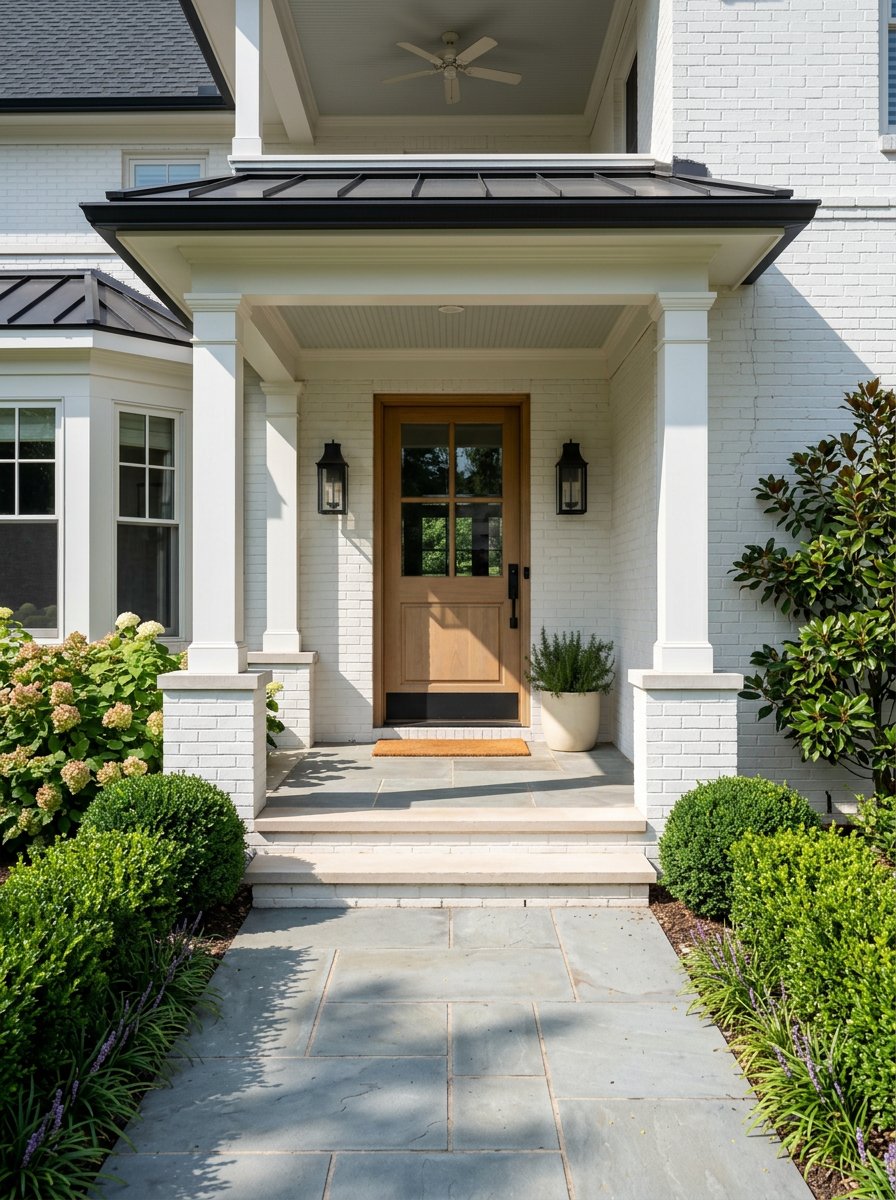
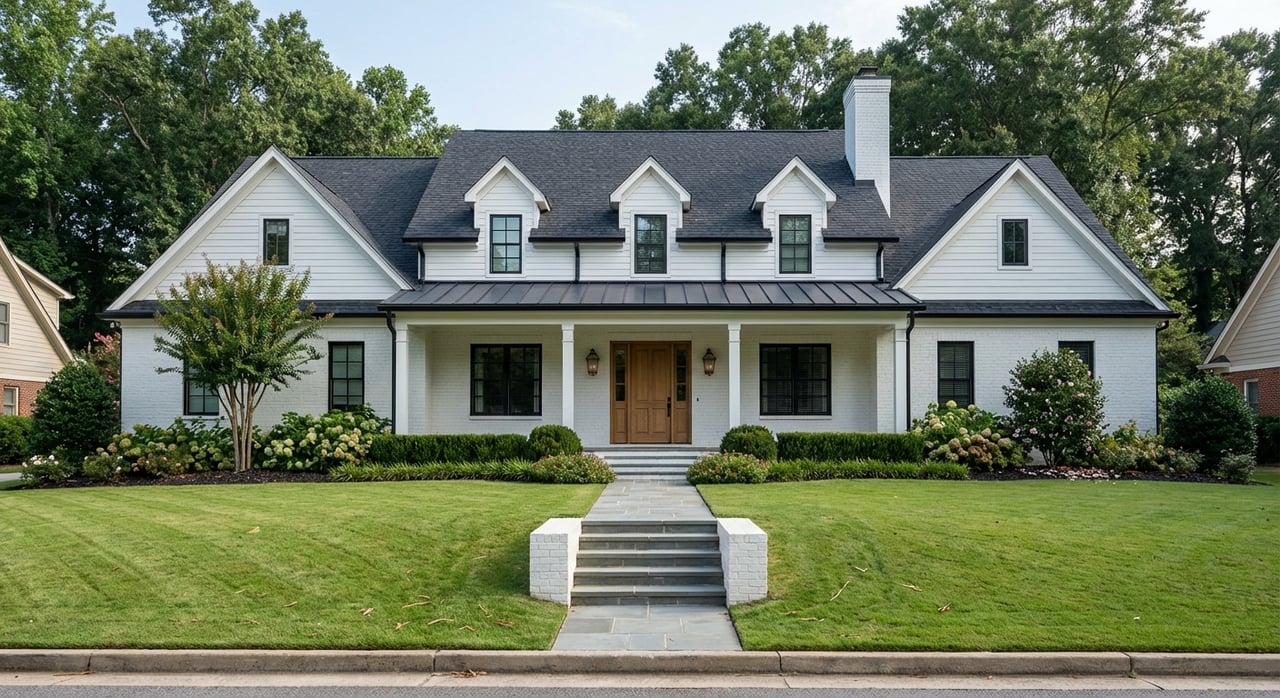
Housing in Dawsonville is not one-size-fits-all. The city’s downtown strategic plan estimates that 80% of the housing inventory is single-family detached, with townhomes and small multifamily properties making up the next largest share. For many buyers, that means detached homes remain the dominant option, but there is some variety depending on where you look.
The city’s comprehensive plan also says central Dawsonville should trend toward a more traditional urban form with more infill and a broader mix of housing types and price points. Farther out, the pattern becomes more suburban and rural. That helps explain why one part of Dawsonville may feel closer to a town center, while another offers a more spread-out setting with larger lots and a quieter pace.
Different areas, different lifestyles
At the county level, the character areas paint an even clearer picture. The county plan describes the Lanier area as mostly older detached lake homes, while Suburban Living includes detached homes at up to two dwellings per net acre. Rural Living centers on five-acre lots, farms, and forested tracts, and Agricultural Conservation protects low-density homesites and farmland.
The GA-400 Mixed Use corridor is different again. County planning points to commercial and service uses, multifamily housing, and higher-density development around the outlet mall and the GA-400/53 corridor. In practical terms, Dawsonville offers a patchwork of housing choices that can include lake cabins, rural acreage, newer subdivisions, and some attached or corridor-based housing.
Is Dawsonville Better for a Primary Home or Second Home?
The most honest answer is that it can serve both. Dawson County’s growth, owner-occupied rate, and commuting patterns support the case for full-time living. The county plan also notes that employment movement is not just one direction, with residents commuting to neighboring counties such as Forsyth and Fulton while others commute into Dawson County.
At the same time, the area’s lake history and mountain recreation support a second-home narrative too. Buyers who want a weekend base near trails and water may see real appeal here. Buyers who need room for daily life, a regional commute, and a wider range of home types may find that Dawsonville checks those boxes as well.
The tradeoff that works for many buyers
Dawsonville is best understood as a tradeoff market in a good way. You are not choosing between total seclusion and total convenience. You are choosing a place that can offer more scenery, more recreation, and more breathing room while still keeping you tied to the broader North Atlanta region.
That balance is often what buyers are really after. You want a home that supports your life all week, not just on Saturday afternoon. Dawsonville’s mix of access, housing variety, and local character makes that possible.
What to Keep in Mind as You Search
If you are considering Dawsonville, it helps to define which version of the lifestyle matters most to you. Do you want easier lake access, quick access to trails, a home closer to downtown, or a setting with more land and privacy? Because the area is so varied, location inside the market matters just as much as the city name on the address.
It also helps to look beyond broad labels like “mountain town” or “lake town.” Dawsonville includes both of those elements, but it also includes suburban corridors, civic spaces, and rural areas. The right fit depends on how you want to live day to day.
If you are weighing a move to Dawsonville or comparing it with other North Atlanta and North Georgia options, working with an advisor who understands the nuances of each subarea can make your search much more focused. When you are ready to talk through your goals, reach out to Mandy Thompson to schedule a consultation.
FAQs
How far is Dawsonville from Atlanta?
- Dawson County says Dawsonville is along GA-400 and about 50 miles from downtown Atlanta.
Does Dawsonville have real Lake Lanier access?
- Yes. Dawson County manages four Lake Lanier parks with boat ramps, day-use areas, trails, and primitive campsites at some locations.
What kind of homes are most common in Dawsonville?
- Single-family detached homes make up most of the city’s housing inventory, with additional options that can include townhomes, small multifamily properties, lake homes, rural acreage, and some higher-density housing near GA-400.
Does Dawsonville have a real downtown area?
- Yes. The city highlights sidewalks, parks, events, dining, shopping, and arts venues as part of its downtown and community life.
Is Dawsonville mainly for second homes?
- No. The area can appeal to both primary-home and second-home buyers thanks to county growth, owner occupancy, commute access, lake history, and mountain recreation.
What outdoor activities can you find near Dawsonville?
- Buyers can access Lake Lanier parks, Amicalola Falls State Park, the Appalachian Trail approach area, the Amicalola River, Dawson Forest Wildlife Management Area, and the Amicalola Riverside Nature Trail.