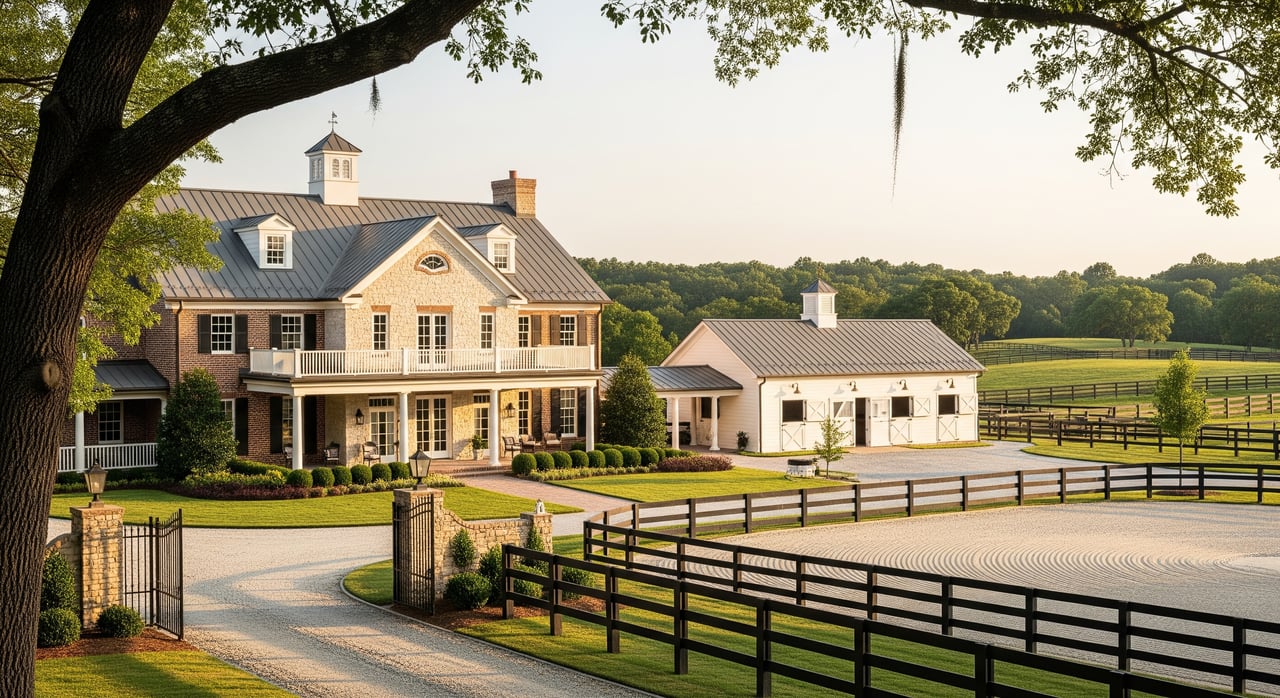
Dreaming of morning rides at home and dinner in Crabapple or Alpharetta that evening? If you are exploring equestrian homes in Milton, you want land that truly works for horses and a plan that avoids costly surprises. This guide walks you through zoning, acreage, barns, permits, and due diligence so you can buy with confidence. Let’s dive in.
Start with zoning and use
Understanding what you can do on the land is step one. Rules differ if the property sits inside Milton’s city limits or in unincorporated Fulton County, and private covenants can add limits.
Who regulates your property
- Inside Milton: City of Milton Community Development handles planning, zoning, and most building permits.
- Unincorporated parcels: Fulton County Planning and Zoning and related permitting departments are your points of contact.
- Any property: Homeowners association covenants, deed restrictions, and conservation easements can limit animals, outbuildings, and commercial activities.
What to request early
- A written zoning verification letter or email from the City of Milton or Fulton County that confirms permitted uses for the parcel.
- Current HOA covenants and any recorded easements or deed restrictions.
- Confirmation of any agricultural or conservation tax designation that could affect future use or sale.
Personal use vs. commercial activity
Keeping your own horses is often treated differently than running a boarding, training, or lesson program. Commercial equine operations can require a special or conditional use permit, site plan review, parking and access plans, and may involve a public hearing. If you plan any business use, contact the planning department early to understand approvals, limits on hours, traffic, and signage.
Taxes and agricultural valuation
Georgia offers land-use valuation programs for bona fide agricultural land. Eligibility and consequences at resale should be verified with the Fulton County Tax Assessor and the Georgia Department of Revenue. Confirm details before you rely on a tax benefit.
Land and layout that work
Acreage matters, but usable acreage and design matter more. Think about how you will ride, feed, and move horses across seasons.
How many acres you need
The answer depends on your intended use. One or two personal horses can work on smaller tracts with hay and turnout planning. Multiple horses or pasture-based programs need more usable acreage, good soils, and smart rotation. Focus on the portion of land that is actually grazeable and buildable. Consult an equine agronomist or a local extension agent to estimate carrying capacity before you set herd size.
Pasture and paddock planning
- Create multiple paddocks for rotational grazing and include a sacrifice area for wet months.
- Site heavy-use areas on well-drained soils and away from low spots to reduce mud and erosion.
- Provide reliable water with hydrants or automatic waterers placed for easy access.
- Plan shelter with run-in sheds or barns oriented for wind protection and positive drainage.
- For arenas and wash racks, plan an engineered base and drainage to protect footing and structures.
Fencing and access
Choose safe, horse-friendly fencing such as wood board, pipe, woven wire with a sight board, or high-tensile with visible tape. Balance safety, maintenance, and aesthetics with your budget. Ensure gates and driveways allow trailers, hay deliveries, and service vehicles to turn safely. If there is a shared driveway, ask about a recorded maintenance agreement.
Water, soil, and septic
Many Milton-area properties use on-site septic and sometimes wells. Review septic permit history, percolation tests, and well logs or water testing if applicable. Soil surveys from USDA NRCS give helpful data on drainage and suitability for pastures, fencing, and construction. Fulton County Environmental Health or local health officials review septic and well requirements.
Manure and environmental care
A basic manure plan protects your land and your neighbors. Keep manure and feed areas away from streams, ponds, and wells. Use vegetated buffers to reduce runoff. Some properties that drain to regulated waters may need erosion and stormwater controls when building paddocks or arenas. Ask about local nuisance, lighting, and noise standards that could apply.
Building barns and arenas
Most permanent structures will require permits and inspections. Plan ahead to save time and cost.
Permits and plans
Barns, covered arenas with structures, and larger outbuildings usually need building permits. Electrical and plumbing work require inspections. Hot water and drain lines for wash racks can trigger septic or sewer reviews. Work with a barn-savvy architect or builder to prepare stamped site plans and structural drawings, and confirm submittal requirements with Milton or Fulton County before you bid the project.
Stormwater and land disturbance
Grading, large arenas, and driveway improvements can require erosion and stormwater plans. If work could impact streams or wetlands, permits from the Georgia Environmental Protection Division and possibly the Army Corps of Engineers may apply. Build time for reviews into your schedule.
Fire safety and hay storage
Hay lofts and storage areas can have special fire-safety considerations. Confirm any local requirements with the building department or fire marshal and design ventilation and access accordingly.
Considering a boarding or training business
If you plan lessons, boarding, or training, treat your due diligence like a small commercial project.
Special or conditional use
Commercial equine activity can change a residential use into a commercial one. Expect the potential for a special or conditional use permit, site plan and parking review, limits on hours of operation, and traffic mitigation requirements. Start with the planning department before you purchase so you understand feasibility.
Licensing and insurance
Commercial equine businesses typically need a local business license. If you charge for services, ask about sales tax registration and any labor standards if you hire staff. Specialized farm and equine liability insurance is important; insurers may require safety measures such as specific fencing or signage.
Milton lifestyle, Crabapple and Alpharetta access
Many buyers want acreage for horses and convenient access to shopping, services, and schools. When you evaluate a property, map typical routes at the times you travel. Drive to Crabapple and Alpharetta on a weekday and weekend to get a feel for timing. Do the same for veterinarians, feed suppliers, and training facilities you plan to use.
Services to map and call
- Boarding stables and training programs relevant to your discipline
- Ambulatory equine veterinarians and clinics
- Farriers, dentists, and bodywork providers
- Tack and feed stores, hay delivery services
- Trails, bridle paths, and show venues you attend
Call providers to confirm capacity, rates, and distance from the property. Local riding clubs and feed stores can offer practical insights on pasture quality, drainage patterns, and reputable contractors.
Due diligence checklist
Use this checklist when you tour and before you go under contract.
Documents to request
- Zoning verification letter and current zoning map
- HOA covenants/CC&Rs and recorded restrictive covenants or easements
- Recent survey and any utility easements
- USDA NRCS soil mapping and any soil reports
- Septic permit history, tank location, or percolation test results
- Well logs or recent water test results; public water system maps if applicable
- Pasture management history, including fertilizer, lime, seeding, and haying
- Repair records and permit history for barns and outbuildings
- FEMA floodplain designation for the parcel
Inspections and pros to hire
- Licensed home inspector who will also inspect barns and outbuildings
- Equine facility or agricultural consultant for pasture layout and carrying capacity
- Geotechnical or soil professional for septic or arena base guidance if needed
- Surveyor to confirm boundaries, setbacks, and encroachments
- Real estate attorney or title company to review covenants and easements
- Licensed contractor or engineer for barn/arena plans and cost estimates
Smart touring tips
- Walk the entire property to estimate usable acreage, not just total acres.
- Visit after rain to assess drainage, mud, and access points.
- Count hydrants, outlets, and spigots and note water pressure.
- Measure clearances for trailer access, delivery trucks, and turnarounds.
- Stand in future barn or arena locations and check setbacks and slopes.
How a local advisor helps
Buying an equestrian home is part property search and part site planning. You want someone who understands Milton zoning, due diligence, and the day-to-day realities of horse care. With deep North Atlanta market knowledge and a concierge approach, you get coordinated inspections, smart negotiation, and a clear plan from offer through move-in. Ready to explore equestrian properties in Milton? Schedule a consultation with Mandy Thompson.
FAQs
How many acres do I need for horses in Milton?
- It depends on your goals. Focus on usable acreage, soil quality, and whether hay or boarding will supplement turnout. Consult an extension agent or equine agronomist for carrying capacity.
Can I build a barn or arena on a Milton property?
- Often yes, with permits. Barns, covered arenas with structures, and utility work typically require building permits and must meet setbacks, stormwater, and septic rules.
Can I run a boarding or lesson business from home?
- Possibly, but commercial equine activity can require a special or conditional use permit, site plan and parking review, business licensing, and limits on hours or traffic.
What should I check for septic and water on acreage?
- Verify septic permit history or percolation tests and gather well logs or water tests if there is no public water. Review USDA NRCS soils and consult local health officials on requirements.
How is manure handled on equestrian properties?
- Create a manure storage or compost plan away from water sources, maintain vegetated buffers, and follow any local rules to prevent runoff and odors.
Are equine services available near Milton, Crabapple, and Alpharetta?
- Yes. The greater area has veterinarians, farriers, trainers, boarding stables, and feed suppliers. Map drive times and call providers to verify capacity and pricing before you buy.